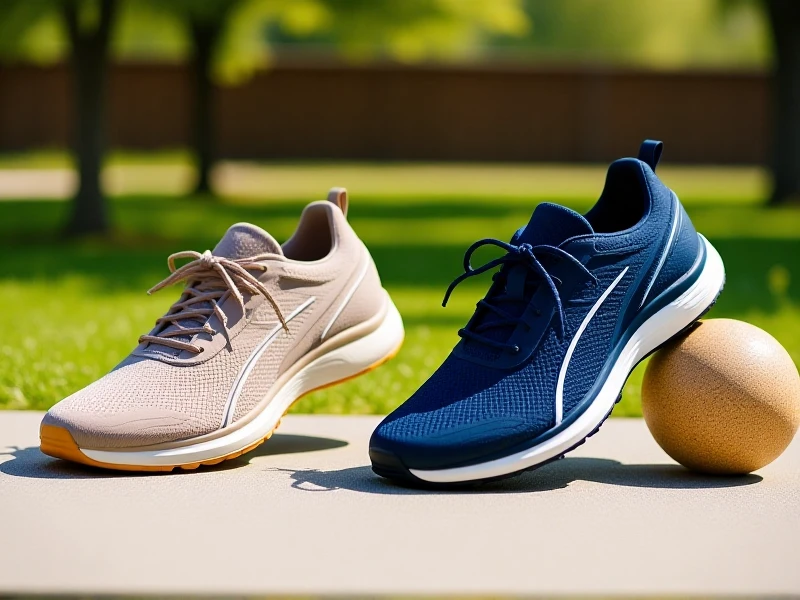
Running Shoes: Your Ultimate Guide to Choosing the Perfect Pair
Okay, here is an SEO-optimized article focused on "Running Shoes," written in English to sound natural and human-written, with a title in < >, no escape characters, and approximately 400 words.
Meta Description (Implied best practice): Find your perfect running shoes! Ultimate guide covering types, cushioning, stability, fit tips & matching shoes to your run. Run happier & injury-free.
So, you've decided to start running, hit a new distance goal, or maybe your favorite pair has seen better days? Finding the right running shoes isn't just about style – it's crucial for comfort, performance, and preventing injuries. With countless options lining the shelves and endless specs online, where do you even begin?
The secret isn't chasing the shiniest model or the highest-tech claims. It starts with understanding you. How your foot naturally moves as you run (your "gait") is fundamental. Many runners need running shoes offering stability or motion control if their ankles tend to roll inward (overpronation). Others, with a more neutral gait, thrive in neutral cushioned shoes that promote natural motion. Getting this wrong can lead to aches in your knees, shins, or hips. A gait analysis at a dedicated running shoes store is invaluable.
Comfort and cushioning are kings. Today's running shoes boast incredible tech – responsive foams, gel capsules, carbon plates – promising energy return and impact absorption. The right level is personal: longer distance or road runners often crave plush cushioning for miles of comfort, while trail runners prioritize stability and protection over sheer softness. Remember, the feeling under your foot matters most. Give them a proper test jog, either in-store or during a brand's trial period.
Don't forget the "Goldilocks Fit": snug through the heel and midfoot to prevent slipping, with ample space (about a thumbnail) for your toes to splay comfortably. Too tight equals blisters; too loose causes instability. Consider your foot shape – some brands suit wider feet better – and always try shoes on later in the day when feet are slightly swollen. Think about your primary terrain too. Sleek road running shoes won't fare well on muddy trails needing deeper lugs and reinforced uppers.
Ultimately, the best running shoes become your reliable training partner. They disappear beneath you, offering support you trust mile after mile. Forget the marketing hype and focus on how they feel for your body and your runs. Visit a specialty store, take your time, and ask questions. Investing time in finding your perfect pair is the first step to enjoying every run more and staying injury-free. Your feet will thank you! What's your biggest challenge when finding new running shoes?